 Busy Man
How to Choose the Best Trenching Service for Drainage, Utilities, or Landscaping
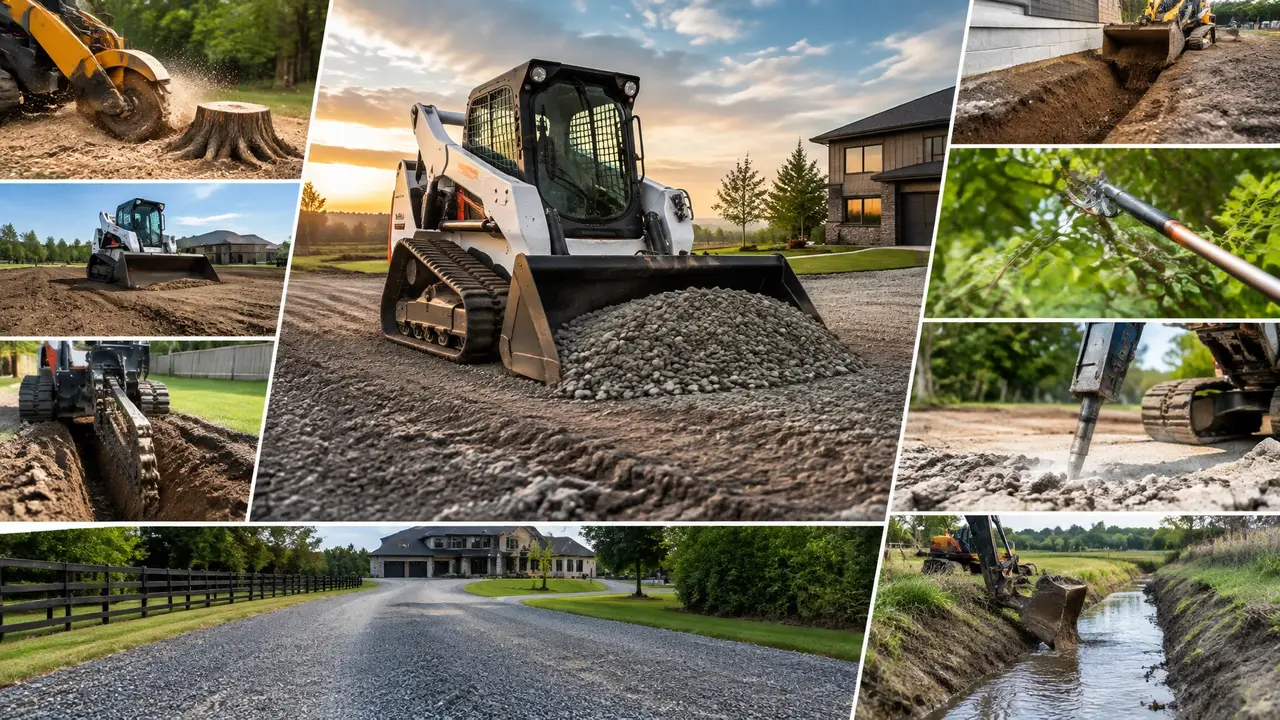
Trenching can solve a range of property problems: directing water away from a home, preparing a route for irrigation, or opening ground for a utility project. But choosing the right trenching service involves more than finding someone with an excavator. A good contractor should understand the goal, plan the route, take precautions around buried lines, and leave the site in suitable condition.
Here’s what to consider before hiring for residential or commercial trenching work.
What is trenching used for?
Trenching is the process of cutting a narrow channel in the ground for a specific purpose. The right dimensions and approach depend on what the trench needs to hold or how it needs to move water.
Common uses include:
- Drainage: Creating a route for water to flow toward an appropriate outlet, or preparing ground for drainage components.
- Water and utility lines: Making a path for water pipes, electrical conduit, communications lines, or other services. Installation and connections may require permits and appropriately qualified trades.
- Irrigation: Preparing routes for irrigation pipes and related equipment.
- Landscaping and property improvements: Supporting certain landscape projects, site changes, or other planned work.
- Waterways and grading: Cutting or shaping a path that helps guide surface water across a property.
For water problems, the trench is only part of the solution. The route, slope, soil, and discharge location all matter. Water should be directed to a suitable place, not simply moved from one trouble spot to another or onto a neighboring property.
How does a trenching project work?
A well-organized project typically starts with a conversation and a site review. The contractor needs to understand what the ground should do when the work is finished. They may consider access, the route, existing structures and landscaping, soil conditions, water flow, and how the site will be restored.
Before work begins, clarify the scope. A written estimate should explain the planned work, what is included, and what might affect the price. For example, ask whether the quote includes backfilling, grading, disposal of excess soil, and restoration of disturbed areas.
Once the plan is agreed on, the digging area must be checked for underground utilities. After the required locating process, the contractor can excavate the planned route and coordinate any pipe, conduit, or other installation with the appropriate service provider or qualified trade. The trench should be inspected as needed before it is covered. Backfilling and grading complete the ground work.
Busy Man Contracting LLC provides trenching and backfilling, along with grading and waterway cuts for residential and commercial properties. The right scope depends on the site and the job. If your project involves installing or connecting utility lines, confirm who is responsible for that work, permits, and inspections.
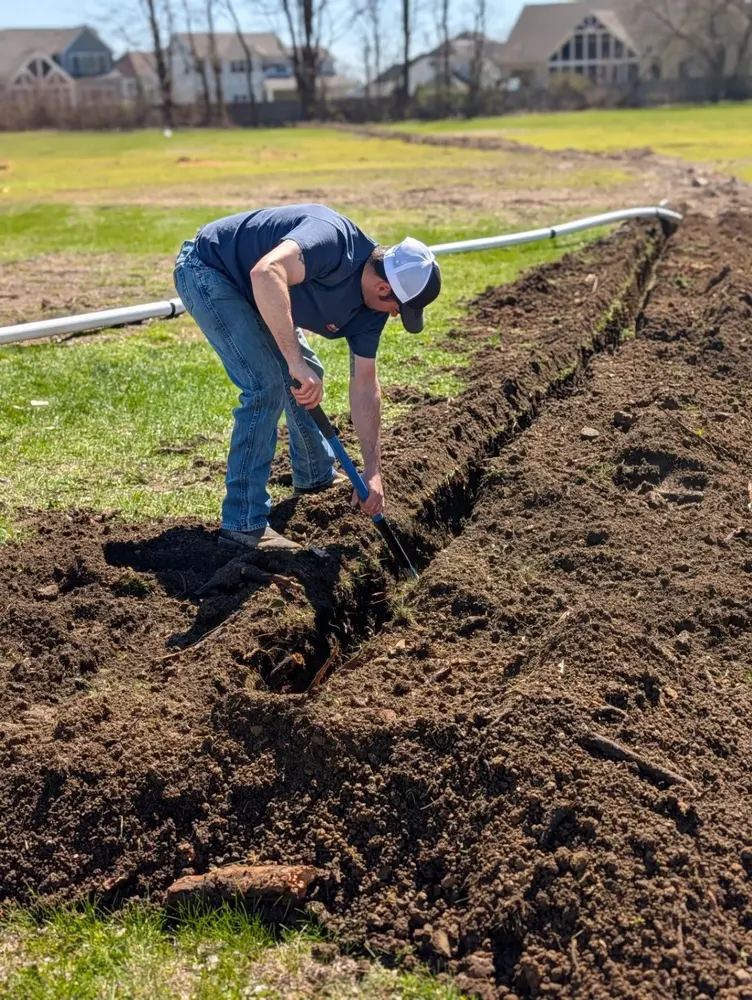
Always address underground utilities before digging
Never assume the ground is clear, even if you are digging in a familiar area or the project seems small. Contact 811 before digging, allow the required time for utility responses, and confirm that all participating utilities have responded before work begins. Requirements and waiting periods vary by state.
The 811 process helps identify and mark many utility-owned lines, but it may not locate every privately owned line on a property. Irrigation, landscape lighting, and some lines running from a service point to a building or outbuilding may need separate attention. Ask the contractor how the project will account for private lines and what will happen if a marked line conflicts with the planned route.
Marks show approximate locations. They are not permission to dig carelessly. If a line is near the planned excavation, ask how it will be safely exposed and protected. The Pipeline and Hazardous Materials Safety Administration offers further call-before-you-dig guidance.
What to ask before hiring a trenching service
Use these questions to understand the contractor’s approach and compare estimates fairly:
- Have you done similar work? Ask about projects with a similar purpose and site conditions, such as drainage cuts, waterway shaping, or trenching through a residential yard.
- What exactly is included? Confirm the route, approximate dimensions, excavation, backfilling, grading, cleanup, and restoration responsibilities.
- Who handles utility locating? Agree on who contacts 811, who checks for private lines, and how the work will respond to markings or conflicts.
- Are permits or inspections needed? Requirements depend on location and project type. Confirm who will check with the relevant local authority and arrange any necessary approvals.
- How will the site be protected? Discuss access for the machine, nearby landscaping and structures, spoil placement, and what happens if soil or water conditions differ from expectations.
- What could change the price or schedule? Ask how the contractor handles unexpected obstacles, extra work, weather delays, and changes to the agreed plan.
- How will the area look afterward? Clarify whether the finish includes backfilling and grading, and whether seeding, sod, pavement, or other restoration is included or handled separately.
For commercial work, also discuss site access, schedule coordination, pedestrian or vehicle movement, documentation, and any project-specific insurance or safety requirements. For either type of customer, a clear written scope can prevent confusion later.
Pay attention to safety and the final result
Excavation has real hazards, especially when workers enter a trench. Ask how the contractor manages the work area and follows applicable safety requirements. The Occupational Safety and Health Administration’s trenching and excavation guidance explains key protections, including protective systems and safe access for workers when required.
Also think beyond the open trench. For drainage work, ask where the water will go and how the finished grade supports the intended flow. For utility-related work, confirm who will handle installation, testing, and inspection before the trench is closed. For landscaping, consider how the machine and excavation will affect nearby plants, driveways, and access.
A tidy, well-graded finish matters, but so does solving the original problem. Make sure you and the contractor agree on what success looks like before work starts.
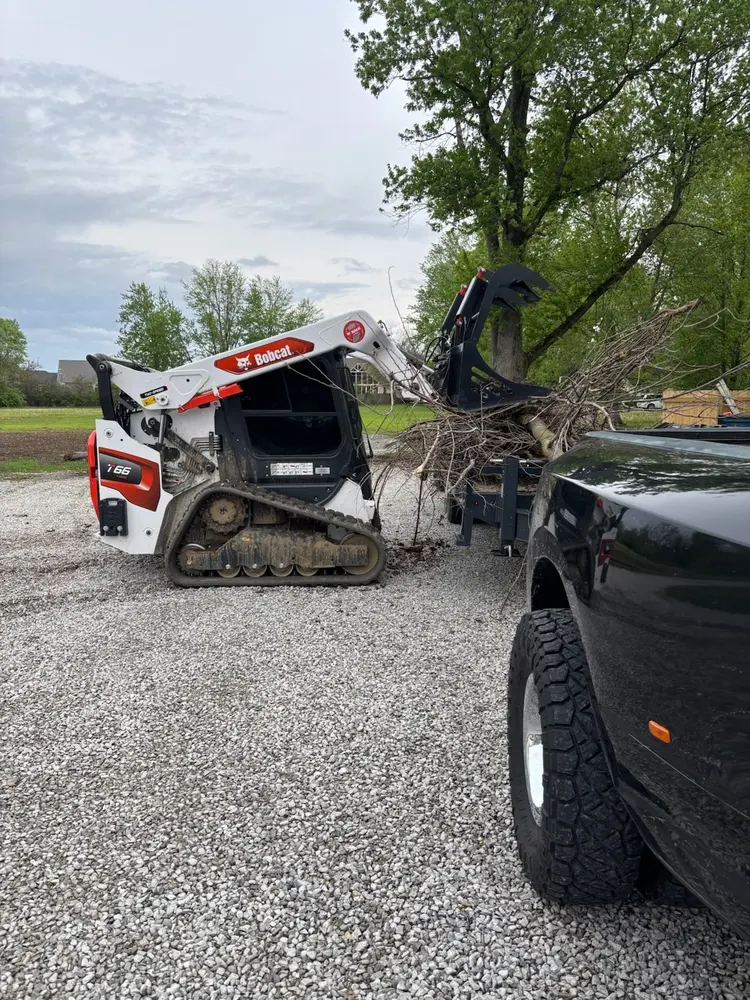
Choose based on the plan, not just the price
When comparing trenching services, look for relevant experience, a clear scope, careful utility coordination, and a realistic plan for backfilling and site finish. A low estimate may not cover important items such as private utility locating, disposal, permits, or restoration, so compare what each bid actually includes.
Busy Man Contracting LLC helps residential and commercial customers with trenching, backfilling, grading, and waterway cuts. If your property needs ground opened up or water guided in a better direction, share the details of your project to discuss the work and determine a practical next step.